
Non-Destructive Analysis Laboratory

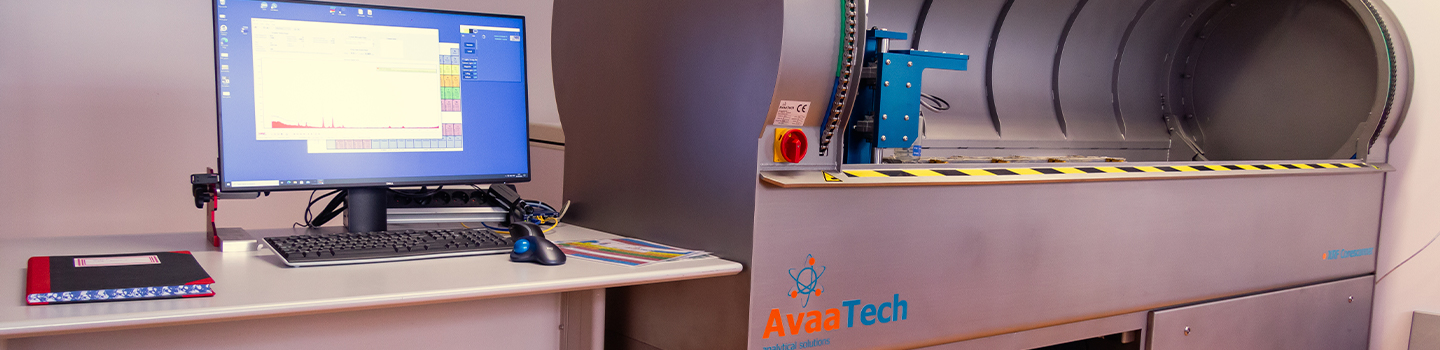
Non-destructive automatic analyzing is a much cheaper and easier approach than the classical methods used to obtain data from sediment records. This laboratory includes a Multi Sensor Core Logger (MSCL-S) and an XRF (X-Ray Fluorescence) system.

Non-Destructive Analysis Laboratory

Gallery
INTRODUCTION

Non-destructive automatic analyzing is a much cheaper and easier approach than the classical methods used to obtain data from sediment records. The analyzer is able to measure, in high resolution, the physical properties of the sediment such as the abundance of terrigenous and biogenic components in the sediment (p-wave velocity), sediment density (gamma density), true sediment color (color spectrophotometry), clay content (natural gamma spectrometry), sedimentary provenance and/or diagenetic environment (magnetic susceptibility), or yet the geochemical composition of sediments.
This laboratory includes a Multi Sensor Core Logger (MSCL-S) anda n XRF (X-Ray Fluorescence).

The IPMA’s MSCL-S and XRF Core Scanner are available to national and international researchers, please use the contacts page for further information.

Equipment List

XRF Core Scanner
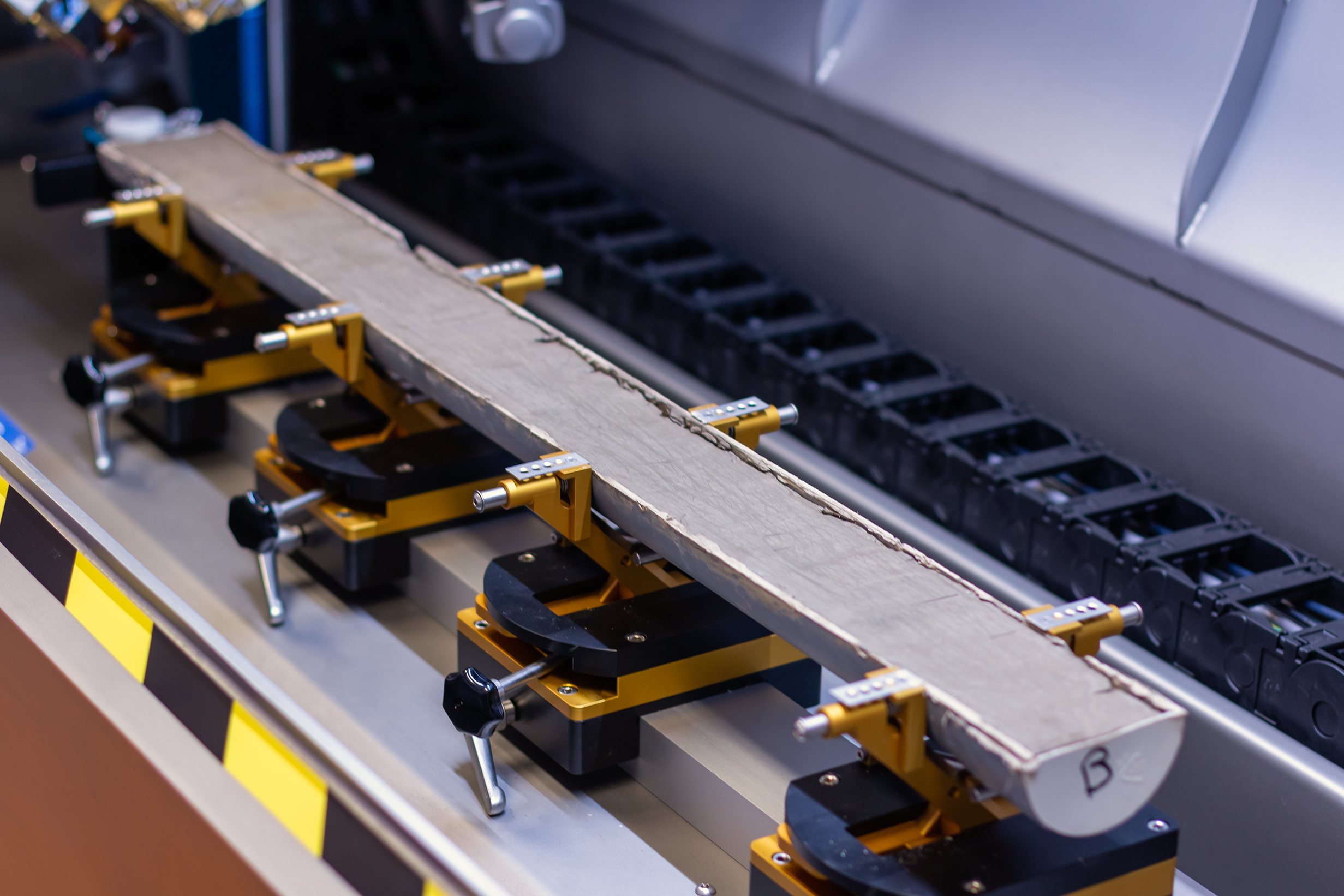
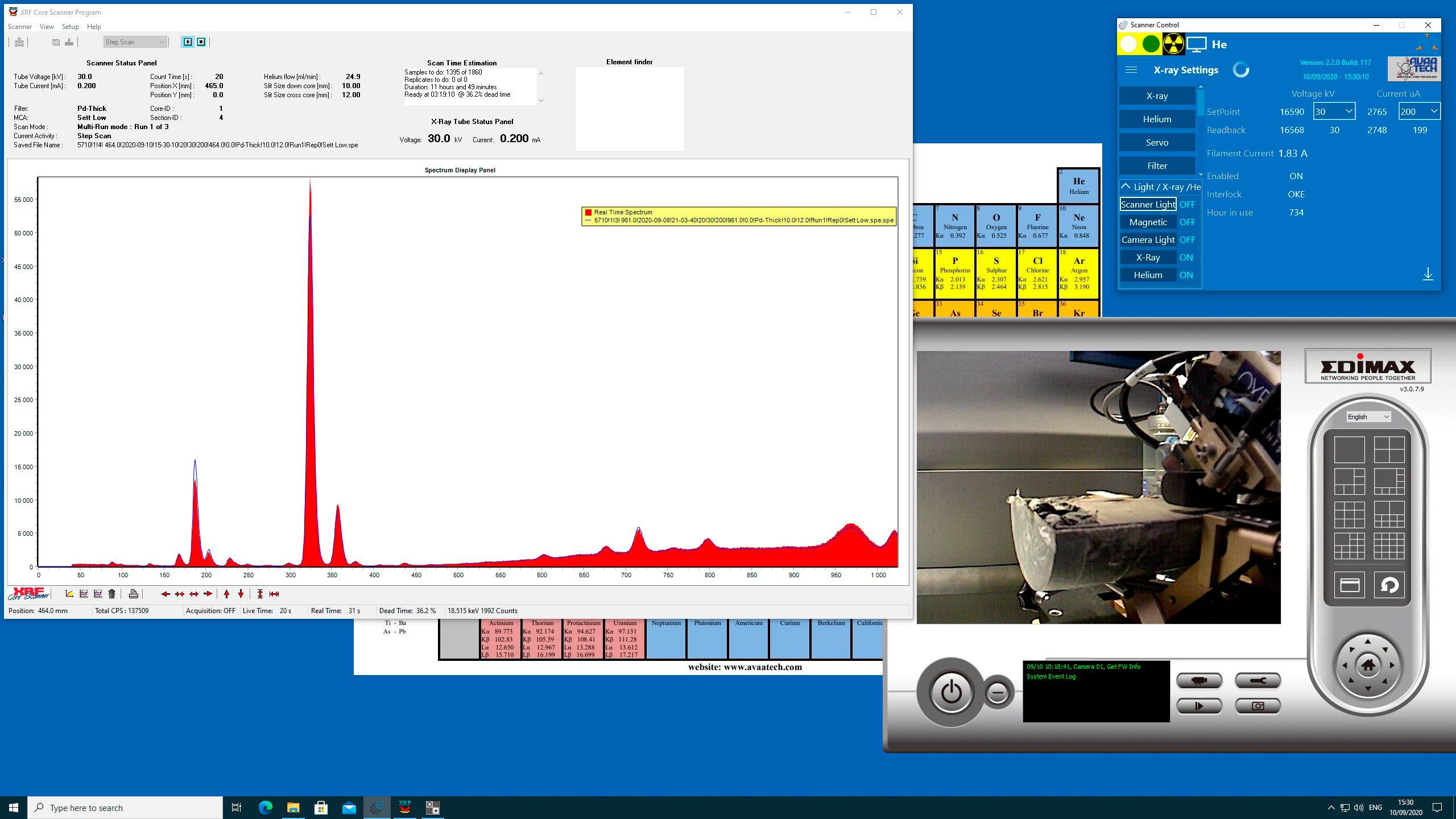
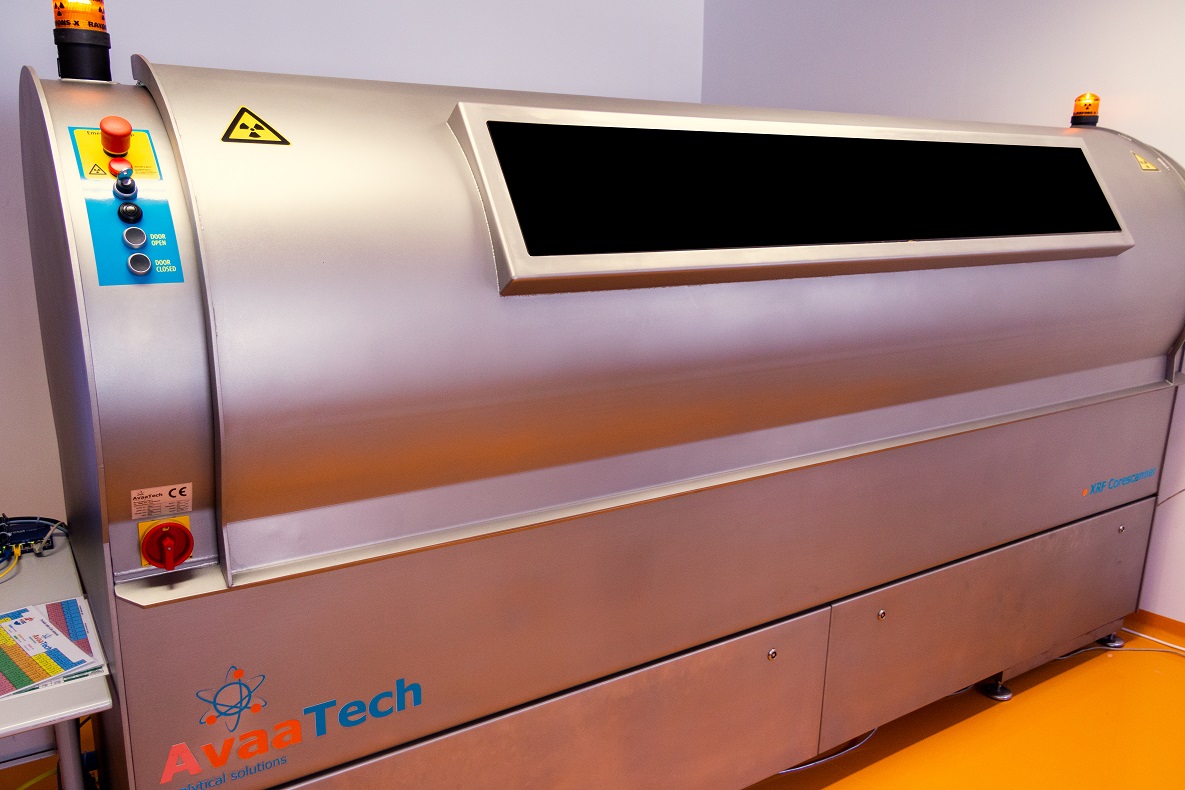
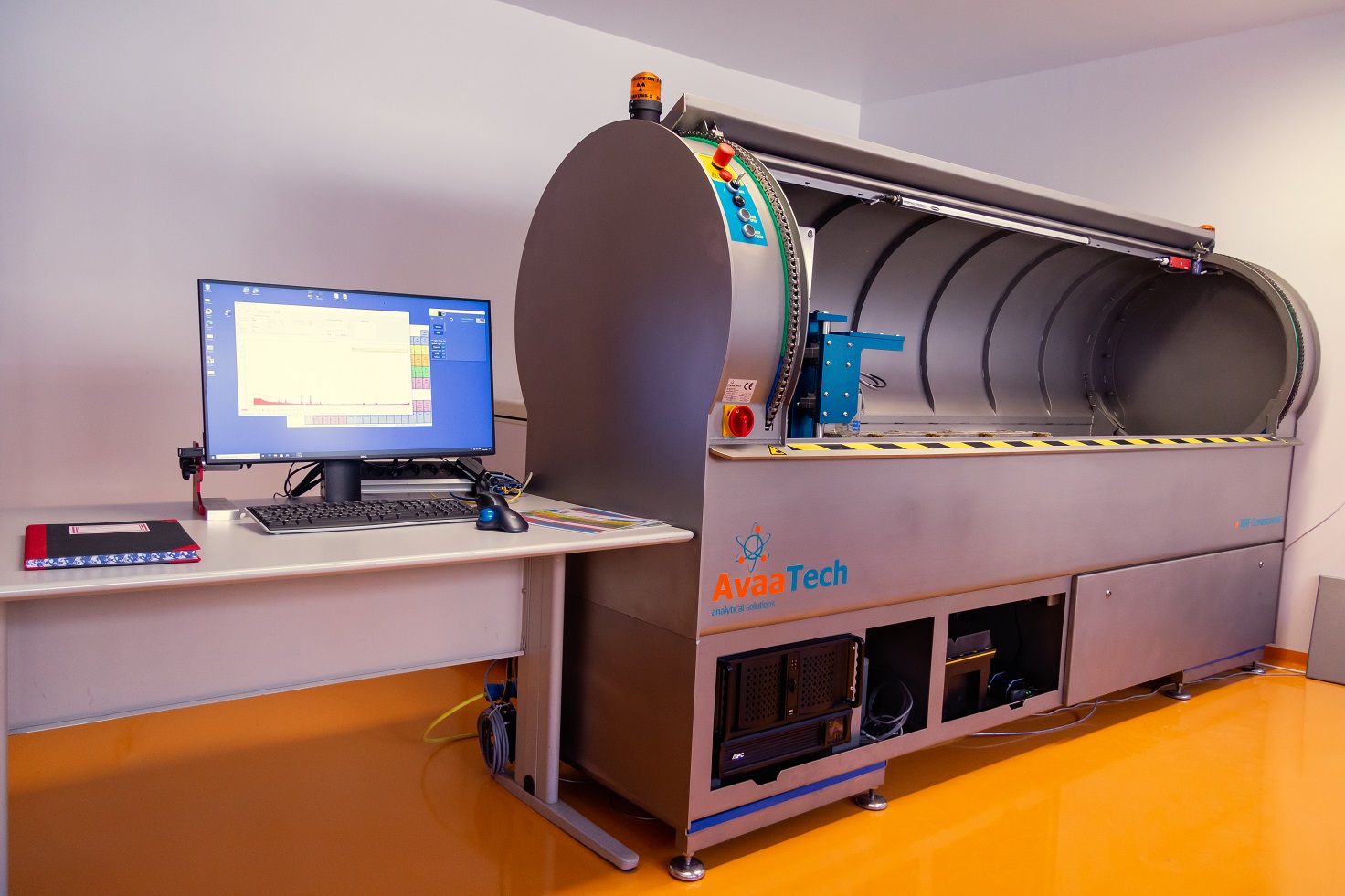
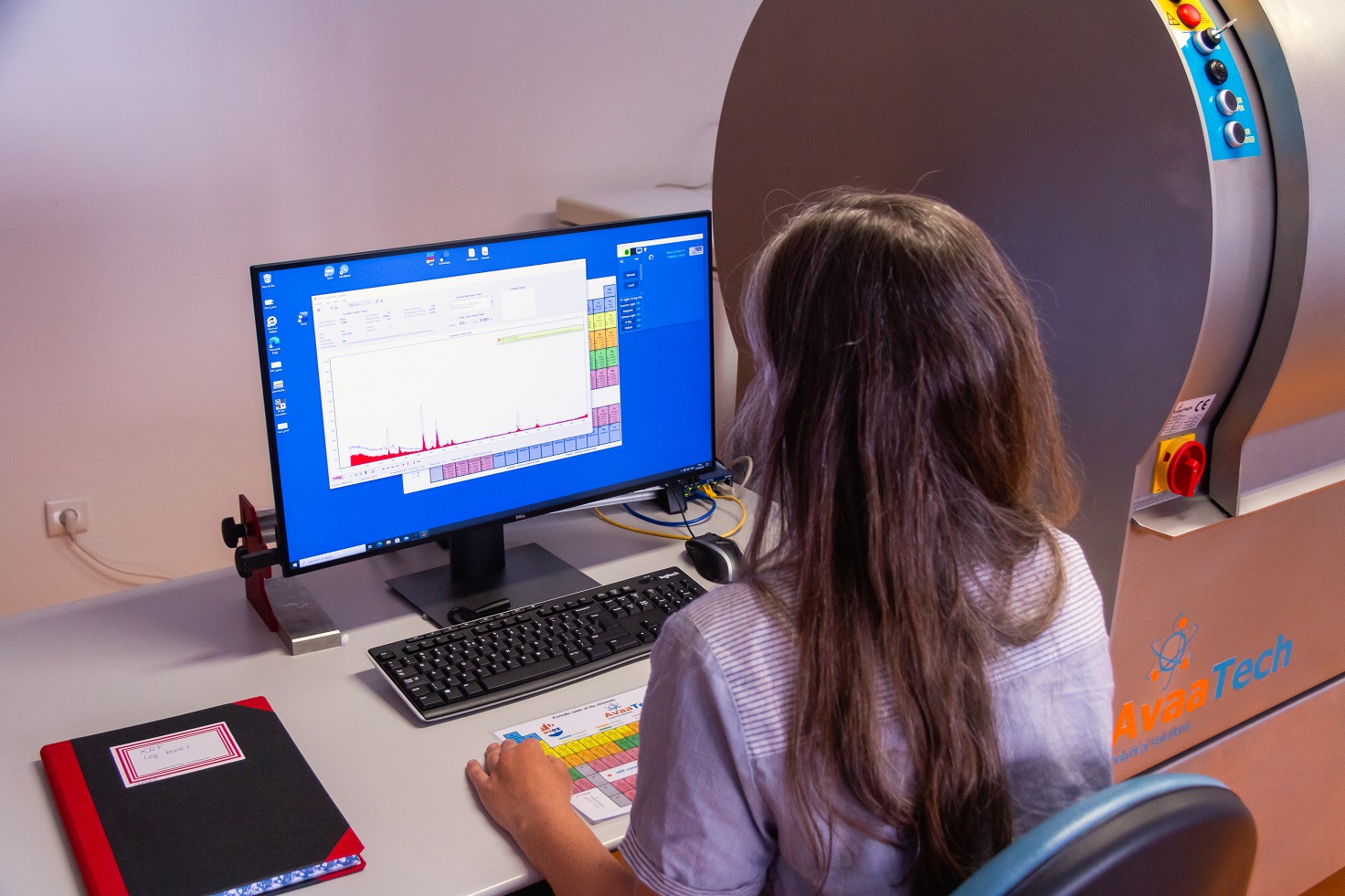
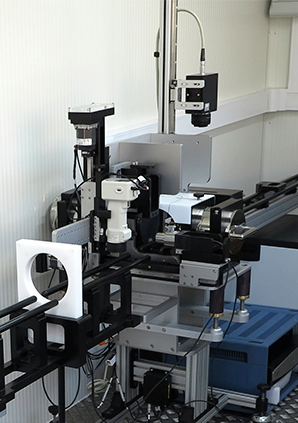
The Non-destructive Analysis Lab is equipped with an AvaaTech (4th Generation) XRF Core Scanner, equipped with a 100 W Rhodium X-Ray tube and a Rayspec cubed SiriusSD silicon drift detector. The X-Ray tube energy are typically set to voltages of 10, 30 and 50 kV, current intensities of 0.2, 0.3 and 1 mA, with primary beam filters conditions of no-filter, Palladium ‘thick’ (125 μm) and Cu filter, being the measurements done under a Helium flux medium. With these settings the GOLD Lab XRF Core Scanner can analyse the entire suite of elements between Magnesium (Mg) and Uranium (U).
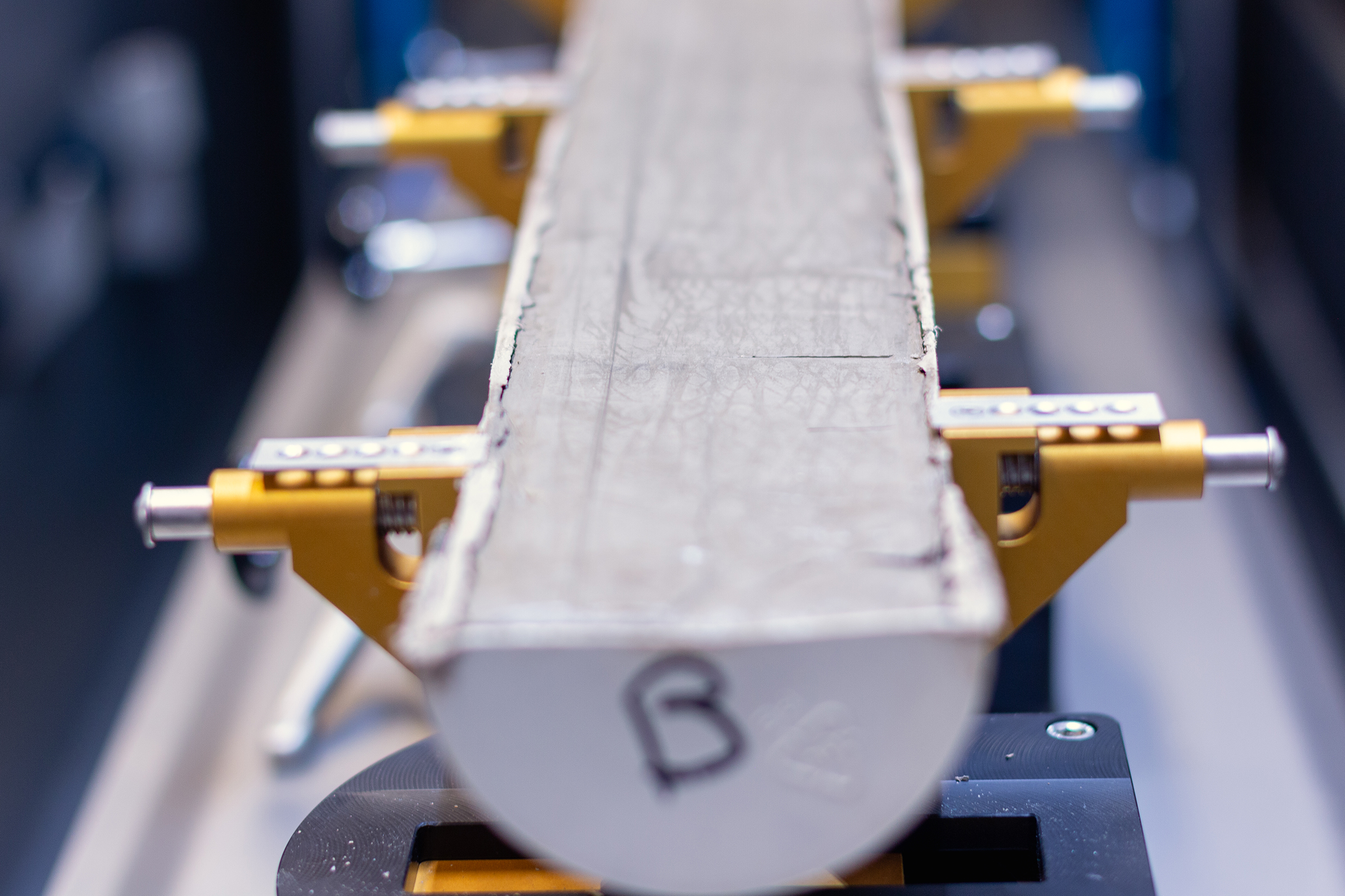
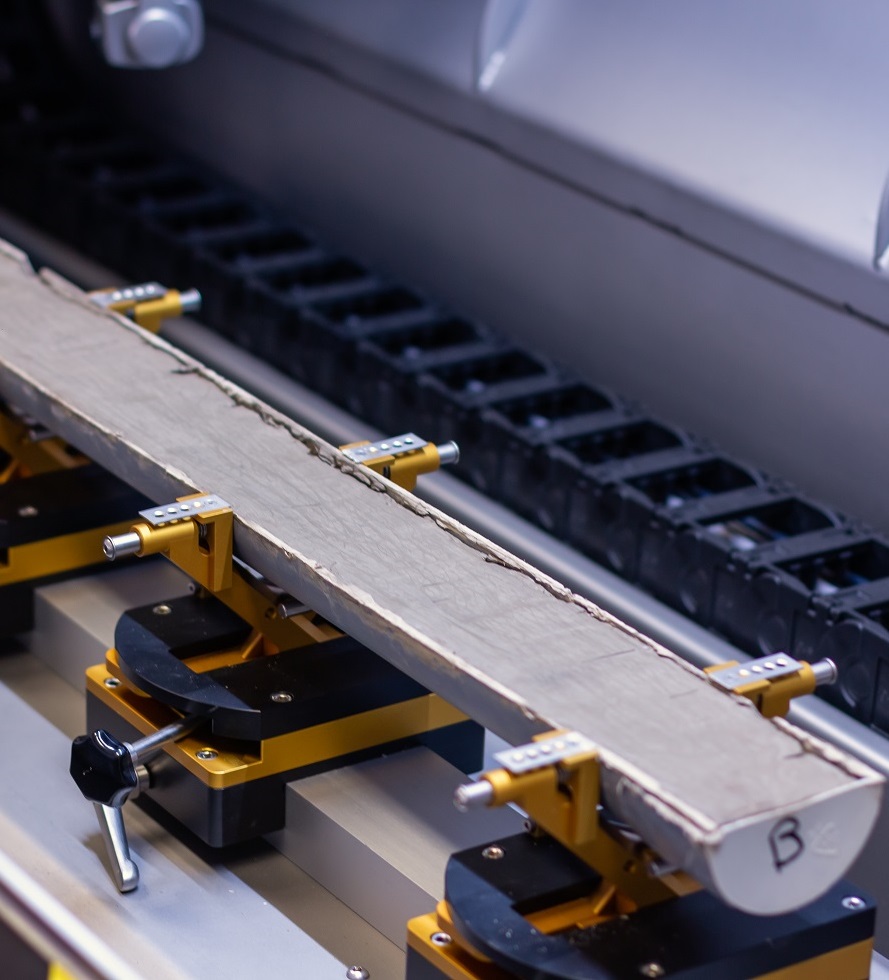
The measurements can be made in split cores up to 160 cm long and outer diameter ranging between 4 and 14 cm. It can also scan sediment slabs/ flat cuts/ speleothem samples 1-70 mm of thickness and 40-140 mm wide.

A detailed description of the XRF characteristics is available at http://www.avaatech.com/
Multi-Sensor Core Logger – MSCL-S
Multi-Sensor Core Logger (MSCL-S) from Geotek is housed on a maritime 20” container, suitable to be employed on IPMA’s Research Vessel Mar Portugal (or any other compatible research vessel). The MSCL-S is an automated system for the rapid acquisition of a variety of petrophysical proprieties, in high-resolution and simultaneously along whole and split sediment and rock cores, as well as in discrete subsamples and hand samples. The MSCL-S can also collect high-resolution line-scan images. The measurements can be made on cores up to 150 cm in length, with diameters between 5 to 15 cm.

The MSCL-S system comprises the following sensors:
Gama ray density: Gamma rays emitted from a 137-Cesium source within a lead shield provide a precise record of the bulk density of the sedimentary and rock core samples. The recorded variations in density are a good indicator of the cores lithology and porosity changes.
P-wave velocity: The P-wave velocity is measured by 250-500 kHz piezo-electric ceramic transducers, couple directly to the core liner or against the core surface. The P-wave velocity differences reflect lithology, density, water content and porosity variations.
Magnetic susceptibility: In whole round cores, 10 or 15 cm in diameter Bartington loop sensors (MS2C) are used for the magnetic susceptibility measurements. In split cores, a Bartington point sensor (MS2E) is used for surface scanning. Variations in magnetic susceptibility reflect changes in the mineral content of the core that correlate with variation in detrital inputs, pedogenesis or diagenesis. Magnetic susceptibility can work as good depositional and geochemistry proxies.
Colour spectrum: The MSCL-S system incorporates a CM-700d spectrophotometer from Konica Minolta Measuring Instruments (Konica). It measures the reflectance of the sediments surface in the wavelengths of 360-740 nm. Variations in reflectance are used as a proxy for carbonate content and oxidation.
High resolution line scan camera: full colour digital imaging system consists of the Geoscan V colour line-scan camera containing 3-line charge-coupled device generating 5000 usable RGB pixels. A visible light source-box ensures consistent lighting of the samples.

STAFF LIST

Selected Publications

CONTACT US

You can contact us by filling out the form below - we will get back to you within 48 hours