
Core Scanning Laboratory

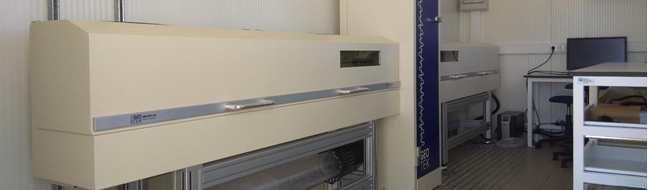
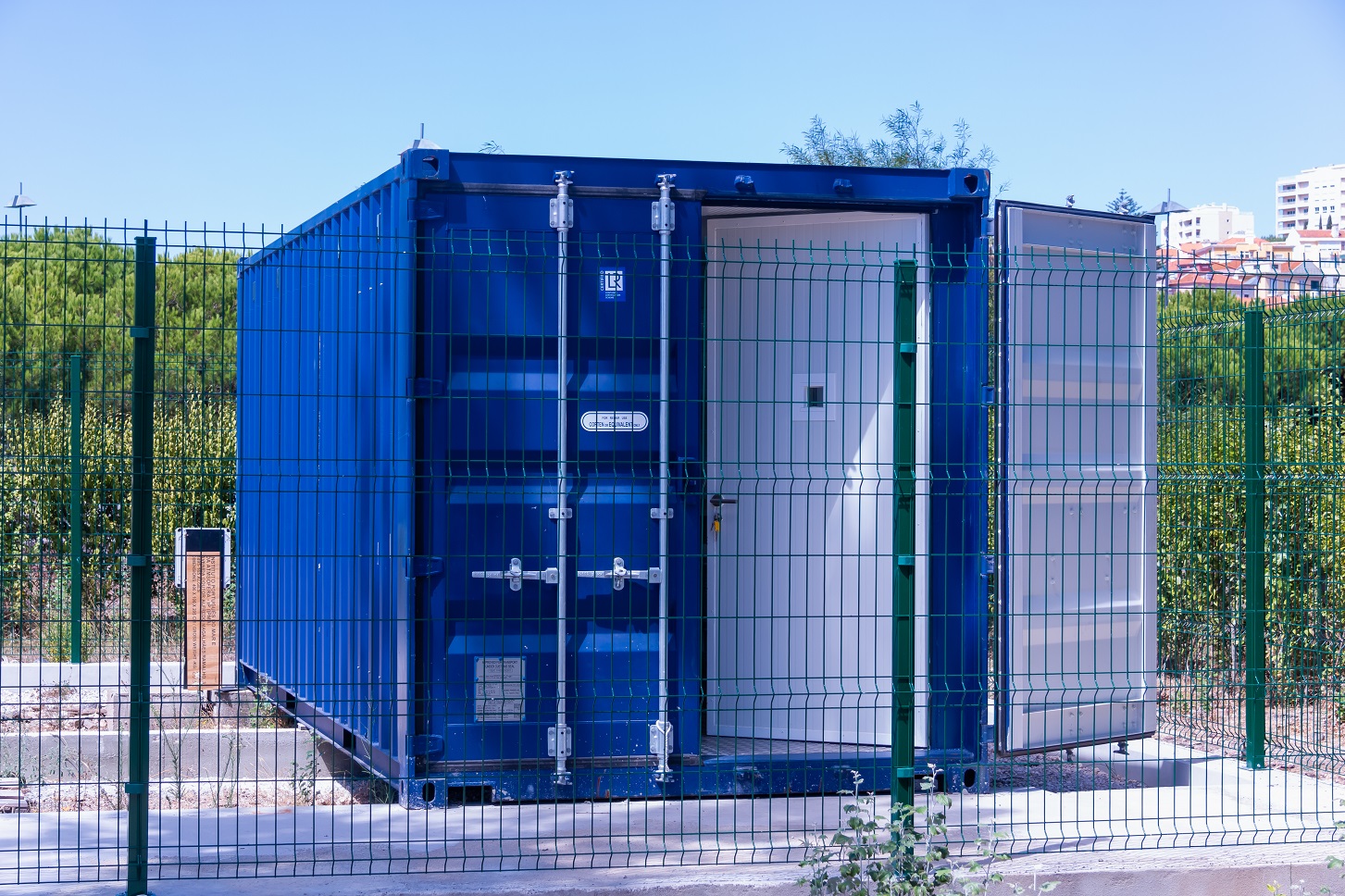
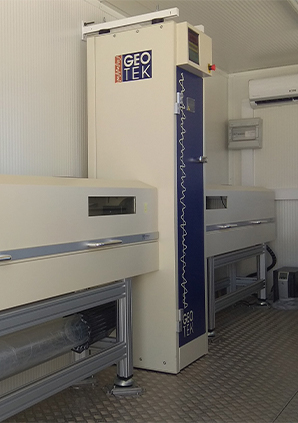
This laboratory is a specially adapted container that houses the XCT scanner and support equipment. The equipment allows the acquisition of 2D x-ray transmission images and volumes of 3D x-rays, from whole or half core sections.

Core Scanning Laboratory

Gallery
INTRODUCTION

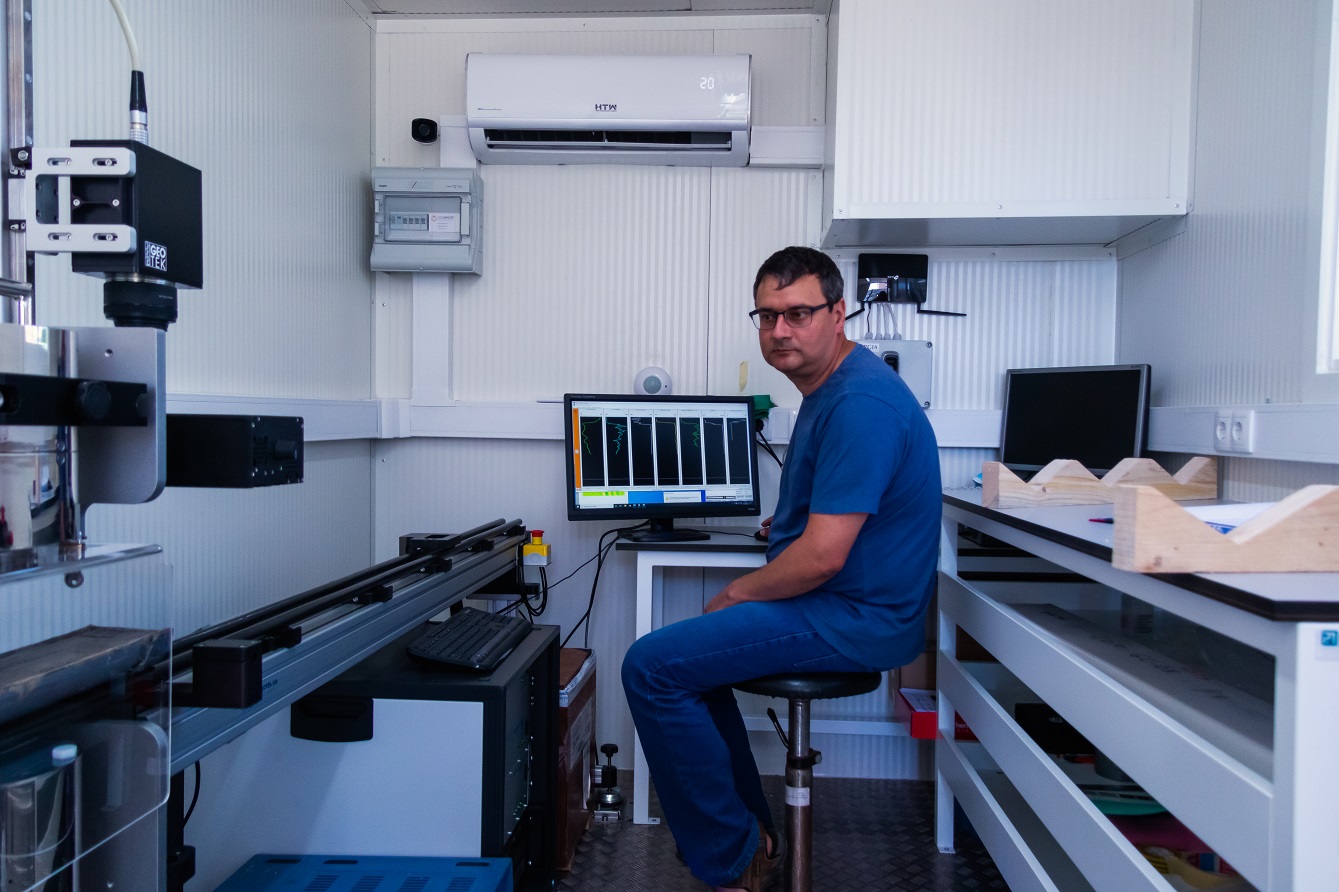
This laboratory is a specially adapted container that houses the XCT scanner and support equipment, and is located outside of the main building. The container can be transported on board any research vessel, and as with any analysis conducted during the research cruise, helps scientists decide on drilling approaches.
The equipment allows the acquisition of 2D x-ray transmission images and volumes of 3D x-rays, from whole or half core sections. Automated rotation of the core sections allows the visualisation and registration of three-dimensional structures. These images are then used for computerised tomographic (CT) reconstructions. X-ray CT imaging provides valuable quantitative data as well as information about core quality for sub-sampling or further analyses.
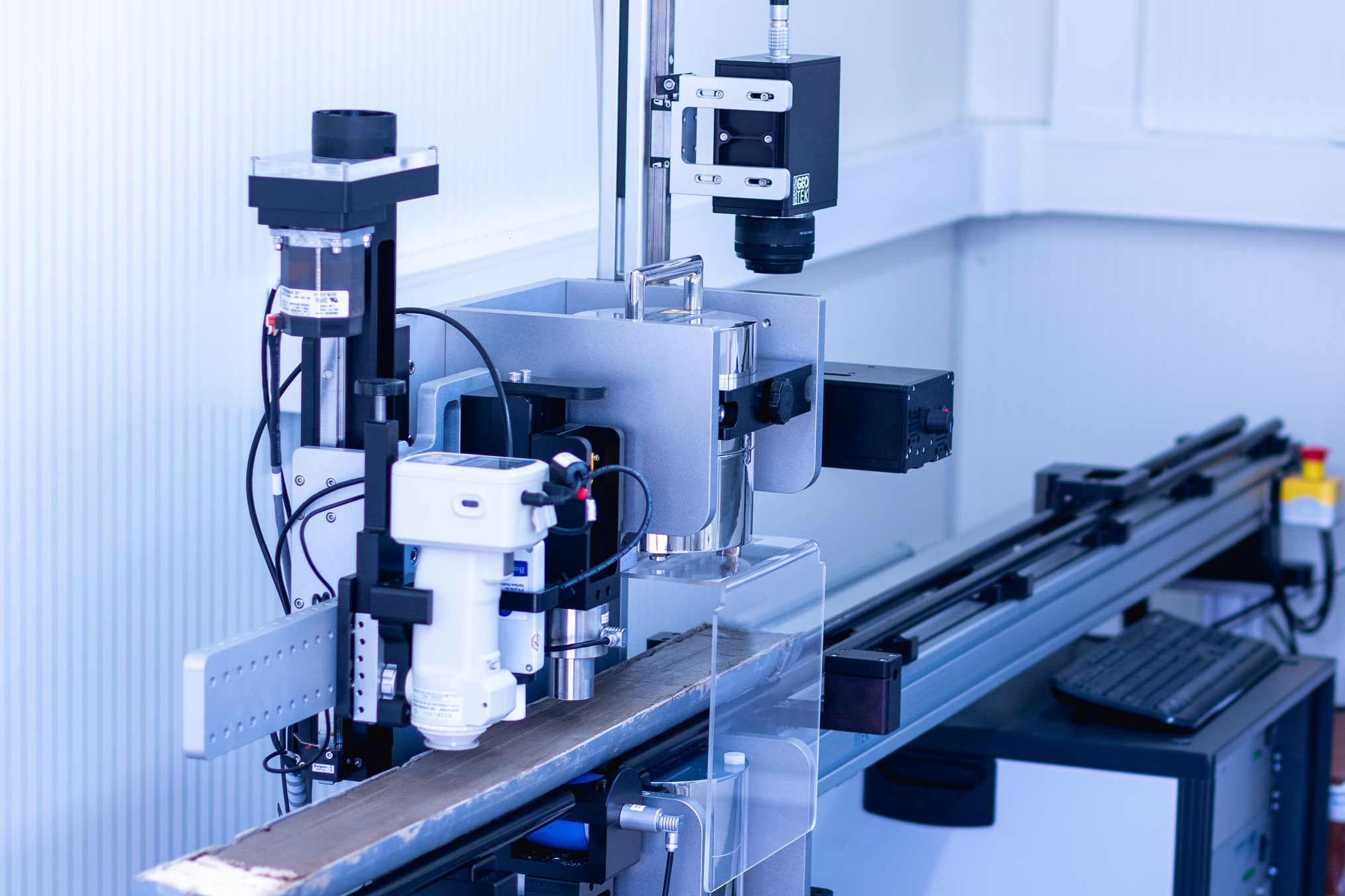
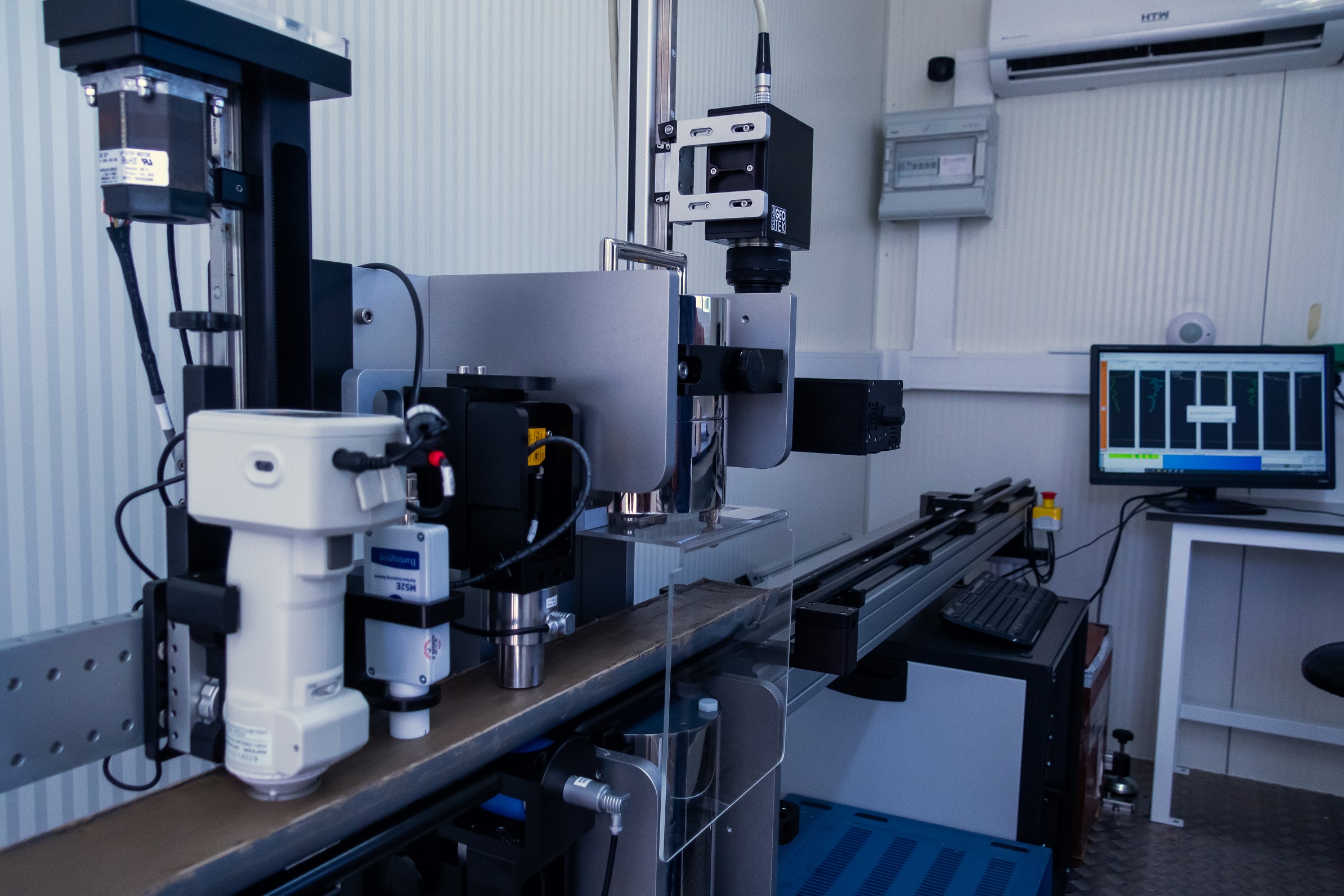
The X-ray source and detector positions are adjustable and can be optimised for image quality, resolution and core size. Whole cores are centralised by wirelessly controlled motorised arms that securely hold core samples horizontally. This innovative method allows for quick and efficient core loading for rapid scanning; perfect for field-based studies or large core logging projects. Split cores and slabbed rock can also be imaged using the mechanical arms and for weak liner the system can quickly be adapted with a plastic tube to support the core.

Equipment List

GEOTEK MSCL-XCT Scanner
The x-ray source and detection parameters have a variable intensity of up to 130 keV, and has a microfocal source with a 14-bit flat-panel digital X-ray detector (pixel array 1920 x 1536). The instrument accepts cores up to 155 cm in length and up to 15 cm in diameter. It is fully automated in motion and has linear precision of 0.01 mm, and angular precision of 0.01 degrees. In terms of images, the resolution is 40-300 microns and can be stored as 16-bit greyscale TIFF images or AVI movie files. The average linear scan time for standard resolution is 5 minutes/150 cm.


STAFF LIST

Selected Publications

CONTACT US

You can contact us by filling out the form below - we will get back to you within 48 hours